
Exploring the diversity, impact, and limits of life on Earth and beyond…
Beebe Hydrothermal Vent Field Mid-Cayman Spreading Center Caribbean Sea, 4960 m depth
Microbes are tiny, yet they play a critical role in our quest to answer some of science’s most fundamental questions: How did biology begin, billions of years ago? Could life exist beyond Earth, in the martian subsurface or the watery realms of the “ocean worlds”? How do microbial communities shape our planet’s fundamental processes, from climate regulation to elemental cycles that establish habitability for the rest of us?
The Marlow Lab, housed in the Biology Department at Boston University, works at the intersection of environmental microbiology and geobiology to contribute to these foundational questions. From active volcanoes to coastal salt marshes and deep-sea methane seeps, we probe the capabilities and biogeochemical roles of extreme microbial life using metabolic activity-based methods and in-place mineralogical analyses. By developing new tools to study the ways in which microbial communities and their environments interact, we seek to enhance our understanding of how biology is structured, building from an energetic context to inter-organism interactions, cell-specific activity profiles, and emergent functions.
Featured Research Projects
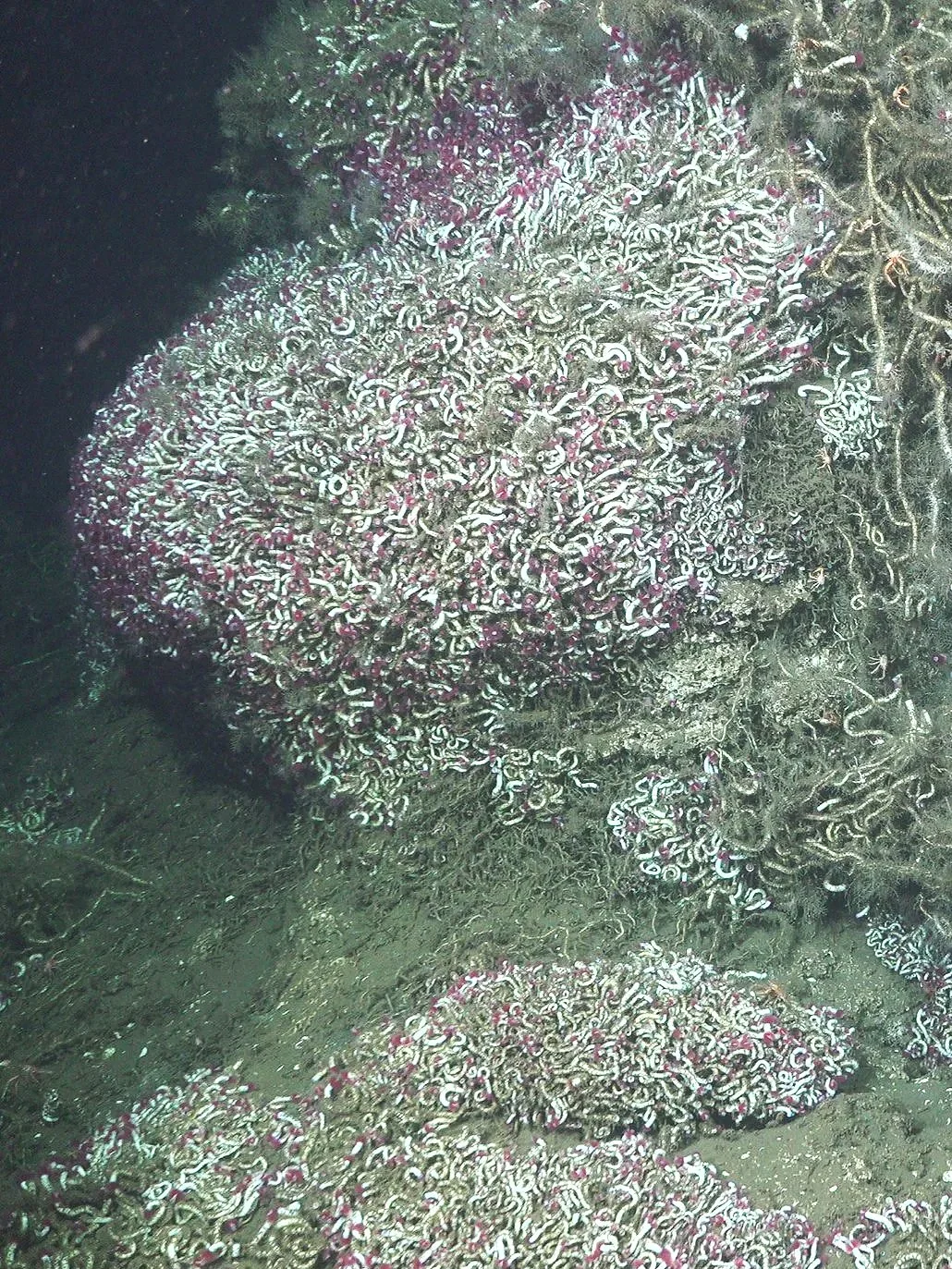
Chilean Methane Seeps
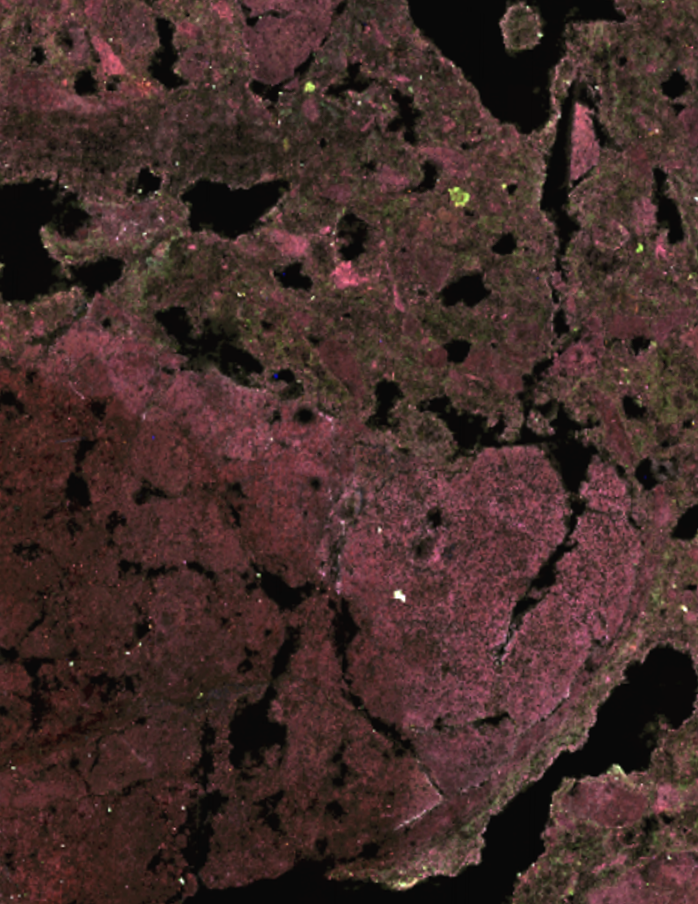
Mineralogy & Microhabitats
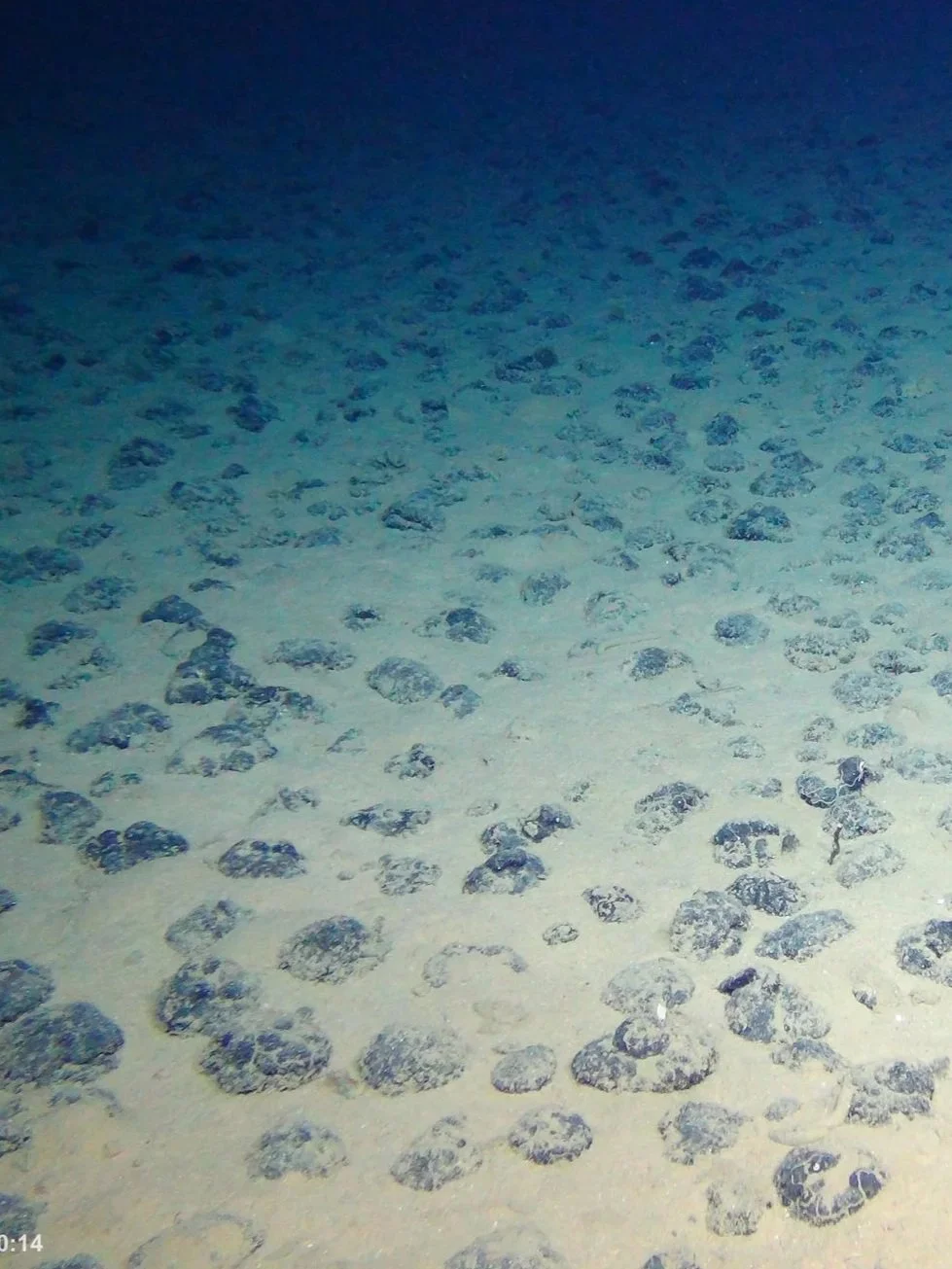
Polymetallic Nodule Microbiome
See our Research Projects page to learn more about past and present projects in the Marlow Lab
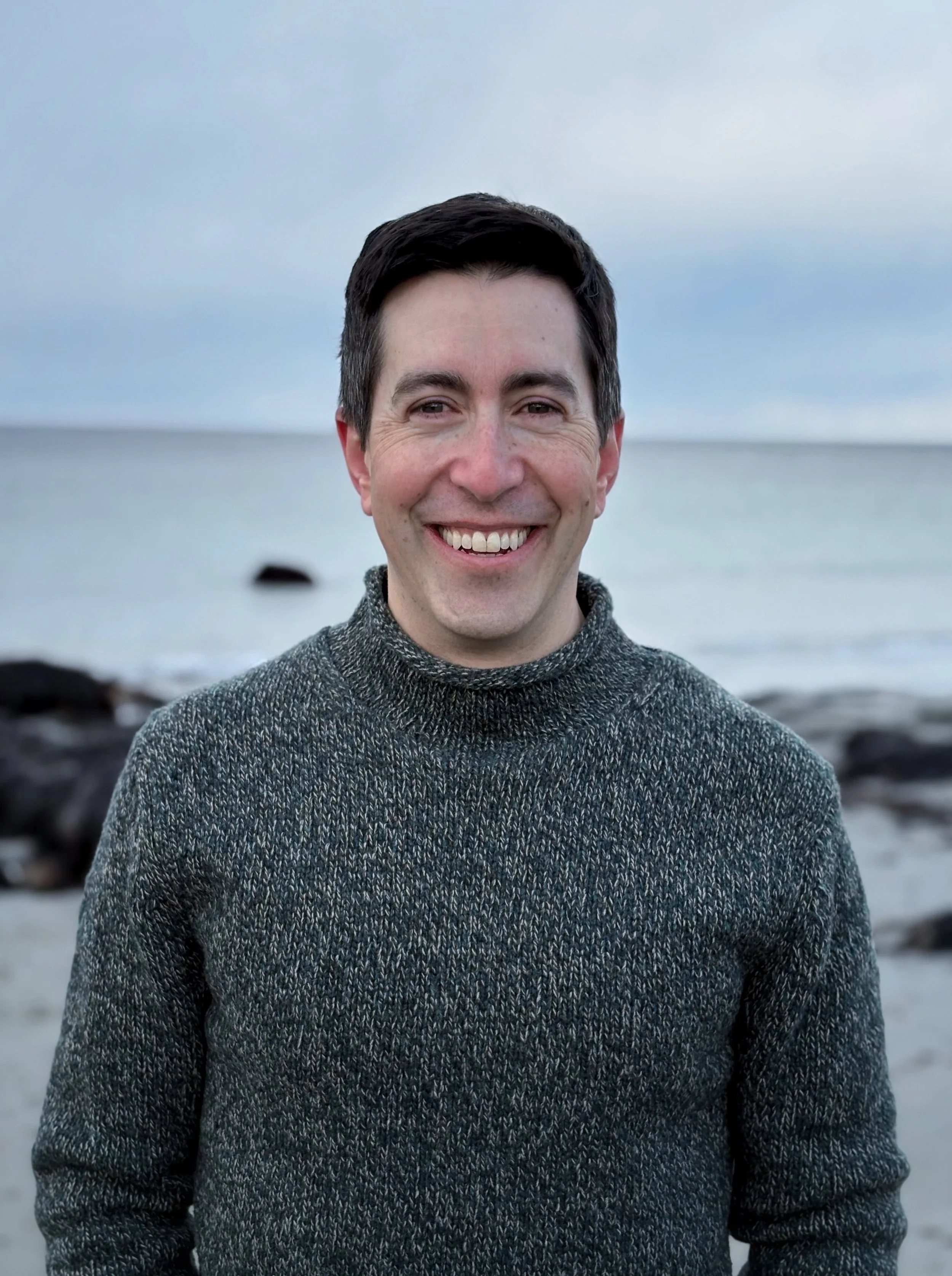
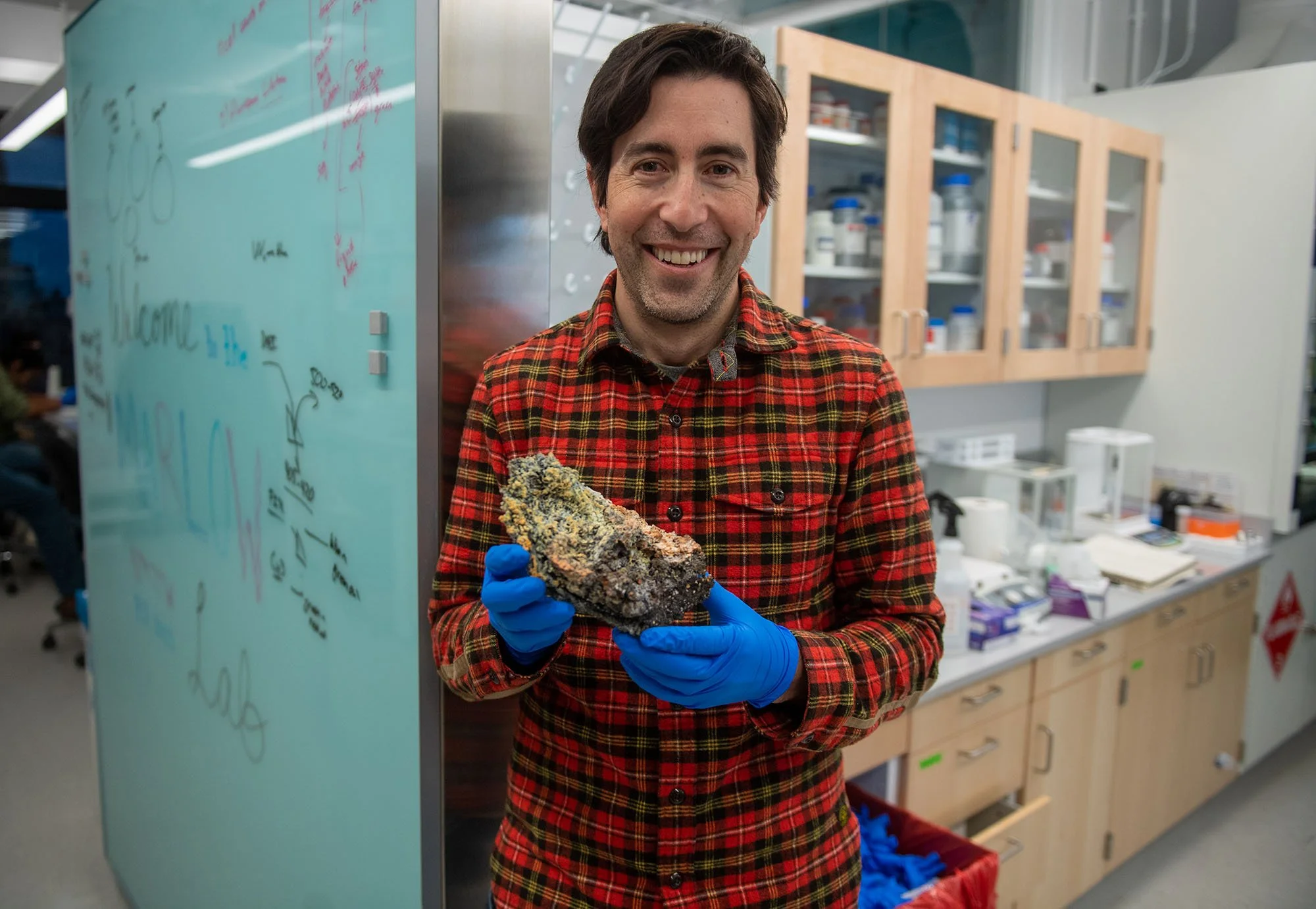
Dr. Jeffrey Marlow
Dr. Marlow is an Assistant Professor of Biology at Boston University. He received his B.S. from Washington University in St. Louis (2007), M.Phil. from Imperial College London as a Marshall Scholar (2010), and Ph.D. from the California Institute of Technology (2016). He completed his postdoctoral research at Harvard University.
~~~~~
Research // Dr. Marlow is interested in understanding how complex microbial communities shape and are shaped by their environments, particularly in the context of carbon, sulfur, and nitrogen metabolism in coastal salt marshes, seafloor methane seeps, hydrothermal vents, and polymetallic nodule fields. By focusing on culture-independent assessments of metabolic activity, his lab’s research clarifies the ecological roles of organisms working in concert. By working across a range of systems, generalizable principles of life’s interactions with its environment can inform the search for life beyond Earth.
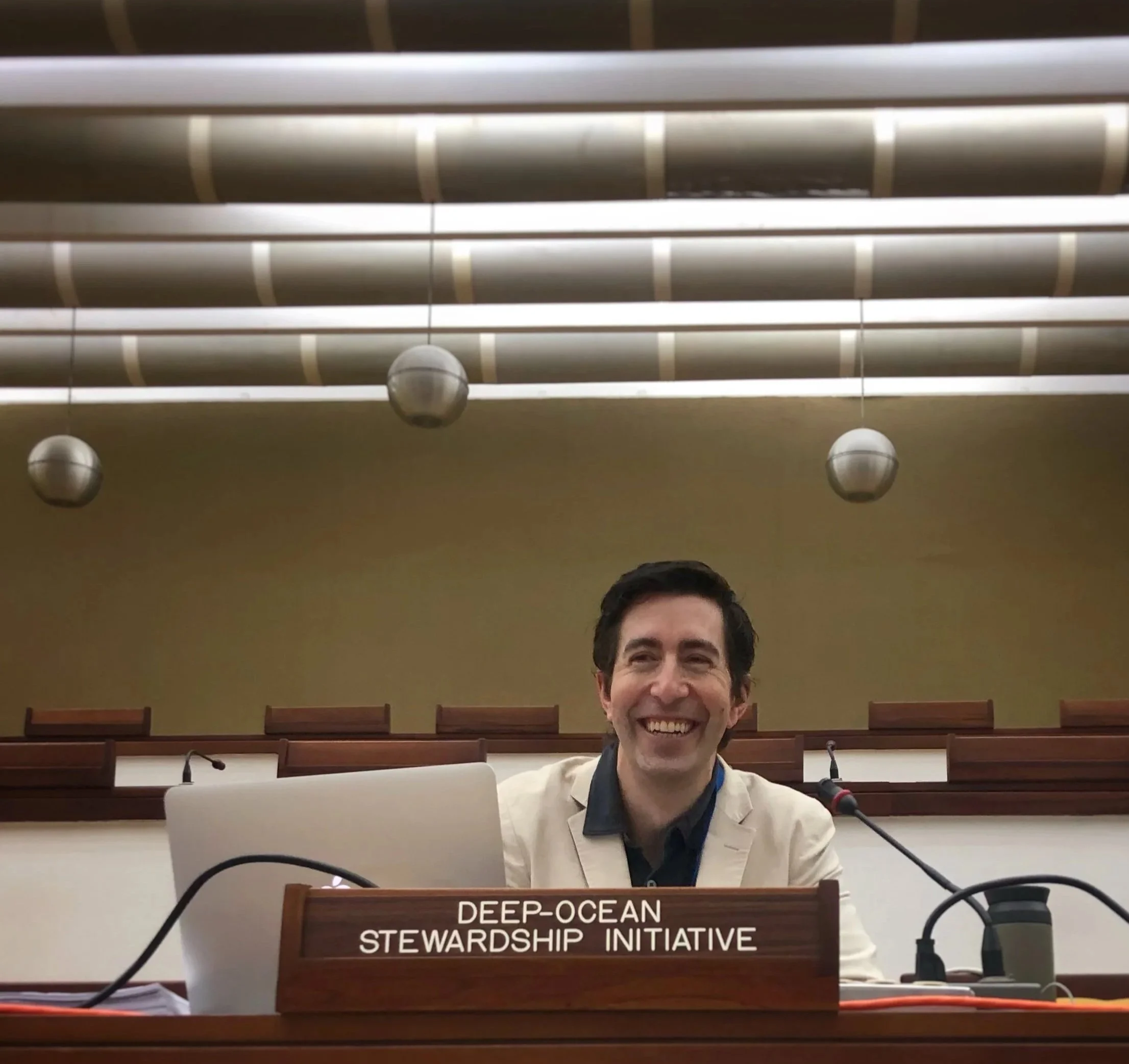
Science Policy // As a member of the Deep Ocean Stewardship Initiative, Dr. Marlow co-leads the Biodiversity Beyond National Jurisdiction working group to provide scientifically rigorous advice to diplomats crafting and administering the United Nations’ “High Seas Treaty”.
Science Journalism & Communication // Dr. Marlow shares stories of world-changing science through his journalistic work. He has written for publications including The New York Times, Wired Magazine, Scientific American, and The New Yorker, and is the author of The Dark Frontier: Unlocking the Secrets of the Deep Sea, published in 2026.
Education & Outreach // Sharing the scientific process and its ability to empower knowledge-seekers from all walks of life is an exciting part of being a scientist. With this in mind, Dr. Marlow founded the Ad Astra Academy, an education non-profit that uses the inspirational power of exploration to instill a sustainable passion for learning among middle school students around the world.
~~~~~
Dr. Marlow has been named a National Geographic Emerging Explorer, a Frontiers of Science Fellow, and a Rolex Explorer. He is a Fellow of The Explorers Club and the Royal Geographical Society. He enjoys traveling, trail running, and fretting over the health of his house plants.
Our Team
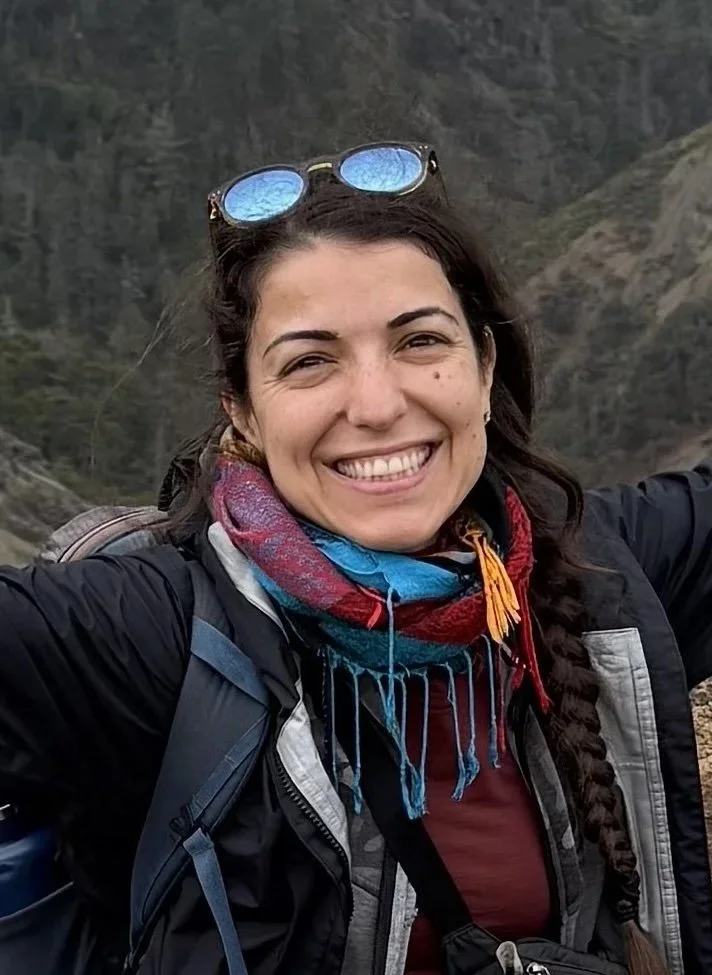
Postdoctoral scholar Dr. Federica Calabrese received her B.S. and M.S. from Messina University in Italy, and her Ph.D. in Germany, doing research at the Helmholtz Center for Environmental Research, before spending two years as a Postdoctoral Fellow in the Girguis lab at Harvard University. Dr. Calabrese is passionate about microorganisms and their connections with their surroundings. Her research aims to investigate the interactions between microbes and minerals, and to clarify how they shape the energetic landscape within their ecosystems, using imaging techniques, molecular targeting approaches, and spectroscopy analysis. She loves traveling, cycling, and cooking.
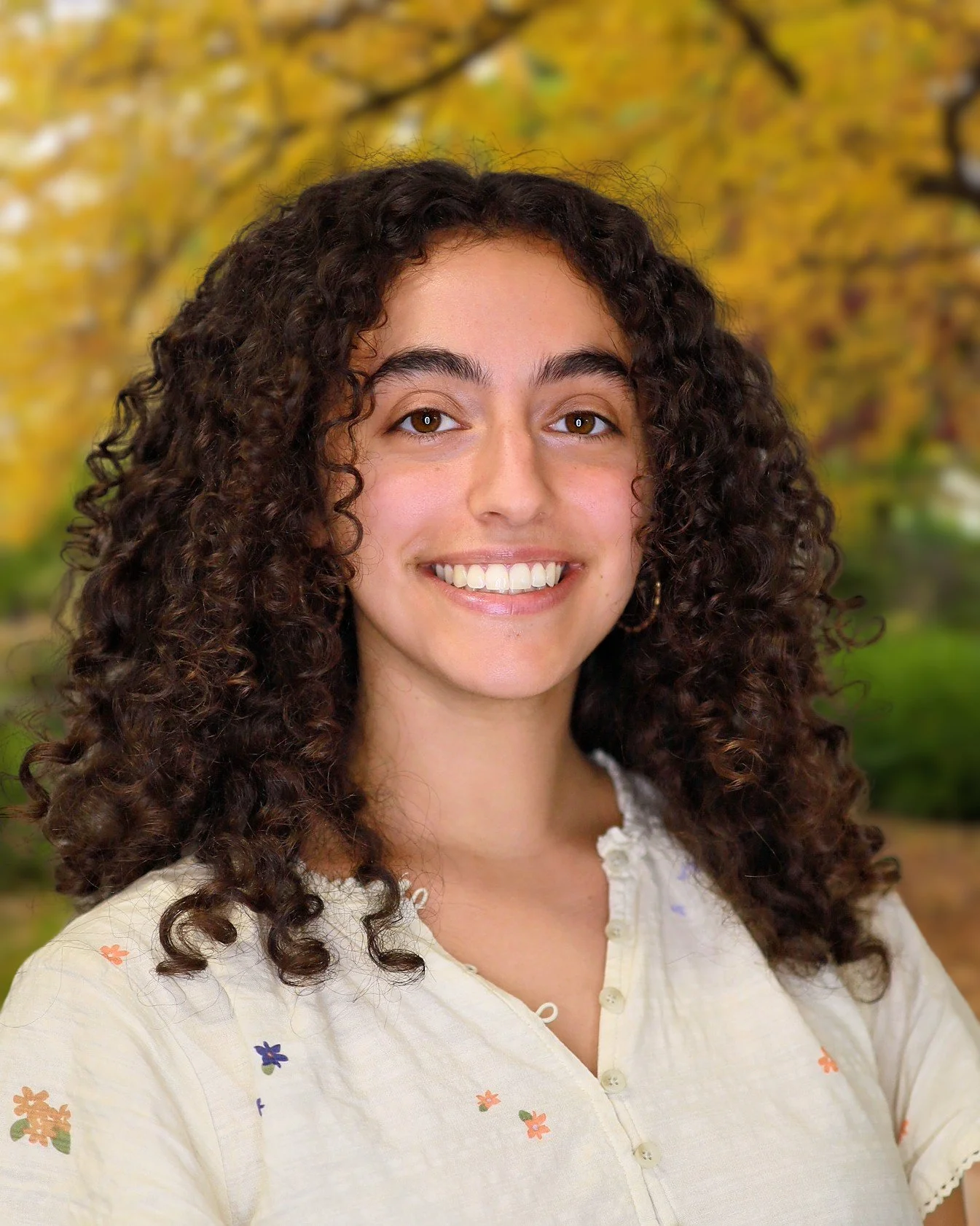
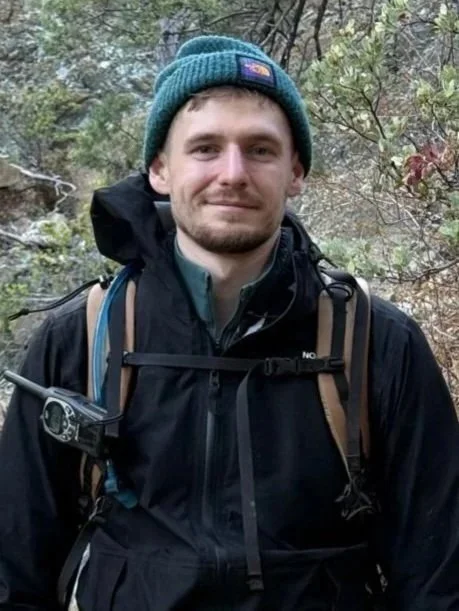
PhD student Dylan Mankel received his B.S. in Astrophysics and Biochemistry & Molecular Biology at Michigan State University, where he isolated microorganisms from samples collected from the Lost City Hydrothermal Field. Later, at the NASA Ames Research Center, he compiled thousands of organism-level metabolic rates to compare with energy consumption estimates of the global biosphere. At BU, Dylan strives to understand the relationships between microbes and their local habitats to determine the limits of life at pH and temperature extremes in extraterrestrial analog environments. He enjoys hiking, scuba diving, sailing, and finding the best bagel shop in town.
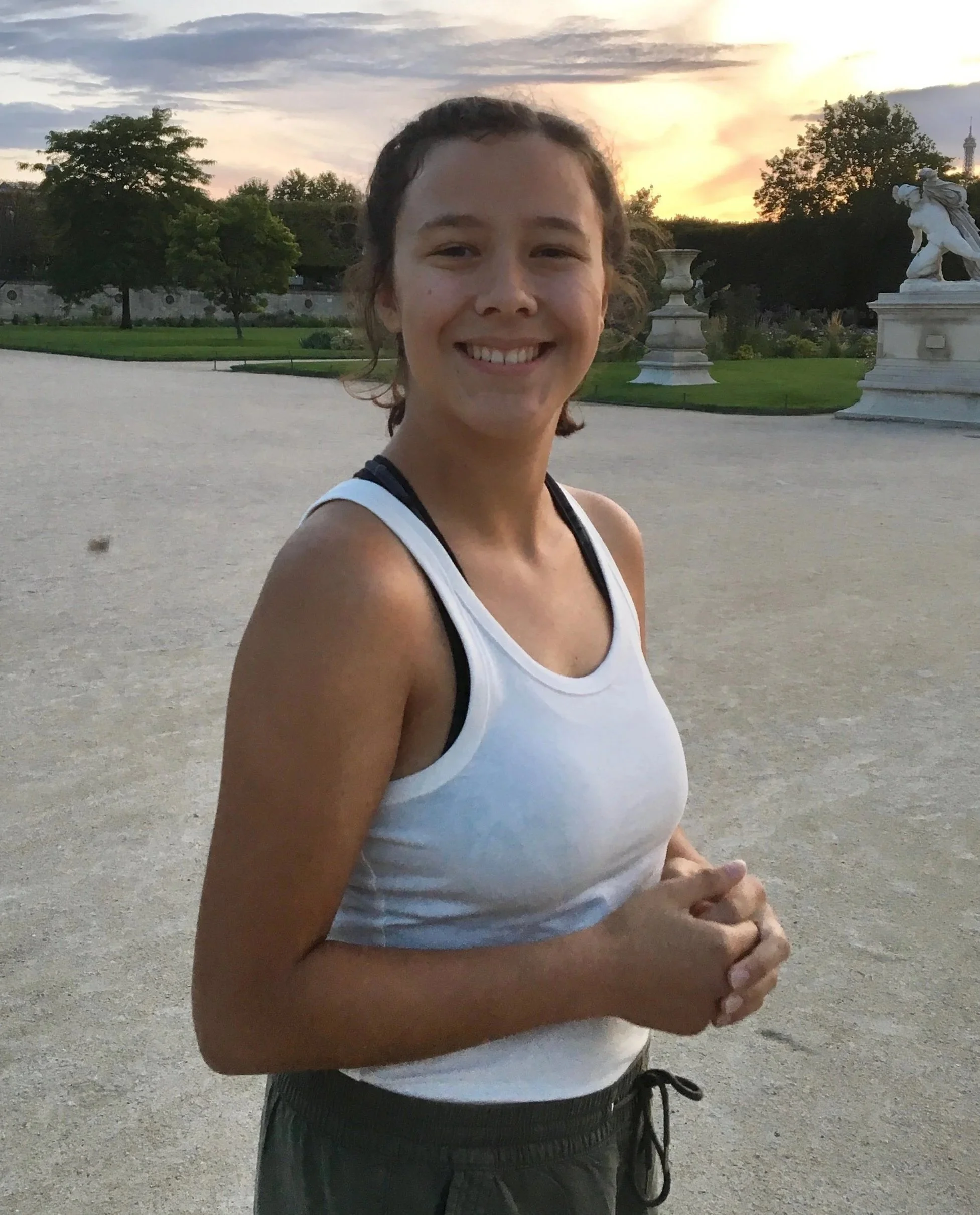
PhD student Erin Frates received her B.S. in Cell & Molecular Biology from the University of Rhode Island, where she studied benthic microbial ecology in Narragansett Bay. After graduating in 2020, she worked at Woods Hole Oceanographic Institution, collecting and processing environmental DNA to investigate biodiversity in the Ocean Twilight Zone. In the Marlow Lab, Erin’s research has focused on carbon cycling in coastal salt marshes and methane dynamics in newly-discovered deep-sea methane seeps off the coast of Chile. Erin enjoys theatre, music, and traveling.
PhD student Jules Fillion received his B.A. in Earth and Environmental Sciences from Boston University in 2022. Following graduation, Jules worked at the Museum of Comparative Zoology, where he curated deep-sea coral specimens. He later joined the Girguis Lab at Harvard University, where he investigated the exometabolome of iron-oxidizing bacteria and contributed to the development of a deep-sea lander. In the Marlow Lab, his research examines how microbial communities at methane seeps generate spatial biosignatures that inform the history of life on Earth and other planetary bodies. Outside of the lab, Jules enjoys climbing, scuba diving, and seeing live music.
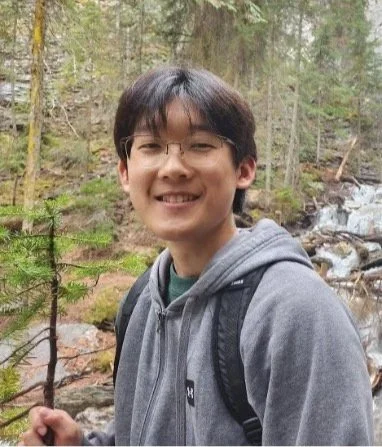
Undergraduate researcher Paul Bae is a Biology major and a Marine Science minor in the class of 2027 at Boston University. He currently studies the microbial ecology of Chilean methane seeps, and is developing enhanced approaches for concentrating syntrophic consortia of anaerobic methanotrophic archaea and sulfate reducing bacteria. Paul is broadly interested in deep-sea ecology, and is also contributing to projects centered around metabolic activity measurements and microbial oxygen production. Outside of the lab, he enjoys drawing, finding good food, and spending time outdoors.
M.S. student Amanda Lookner received her B.S. in Public Health Sciences and Environmental Geography from the University of Massachusetts Amherst, where she conducted work on endocrine-disrupting chemicals in mice and perspectives of women’s healthcare policies. Following graduation, she spent time in the Map Center at the Boston Public Library, as well as in a clinical position in a pediatric office. Amanda is interested in the role of microbes in biogeochemical cycling and their potential use for climate change mitigation efforts. She enjoys hiking with friends, reading, and playing guitar.
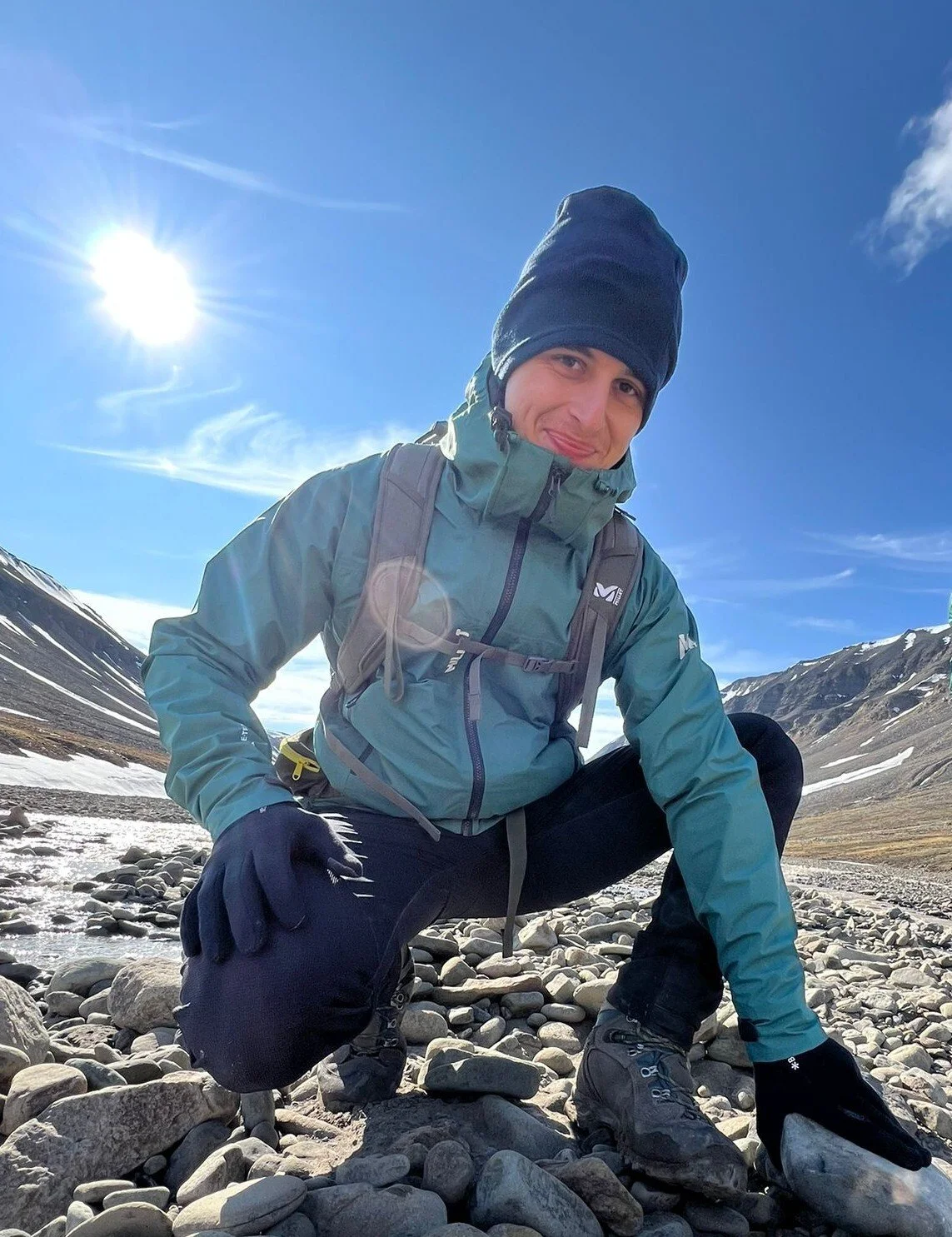
Visiting graduate researcher Tommaso Musso received his B.S. in biological sciences at Roma Tre University in 2024 and is currently pursuing his Environmental Microbiology M.S. at the University of Naples Federico II, where he studies microbial communities and their adaptations to extreme environments. In the Marlow lab, Tom's research investigated microbial communities in the Clarion-Clipperton Zone and their potential for dark oxygen production, focusing on optimizing the oxygen measurements techniques. Outside the lab, Tom enjoys hiking and reading.
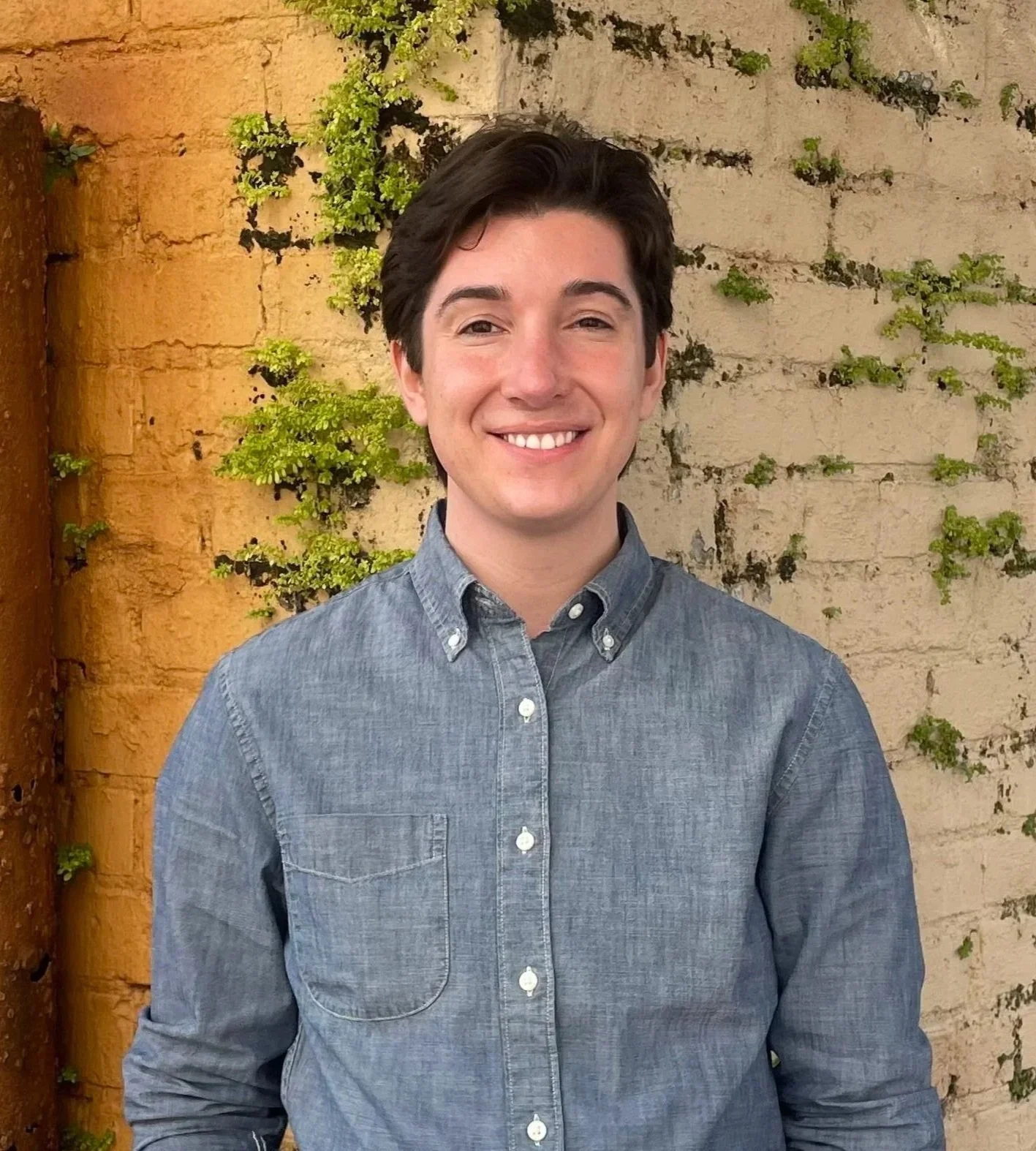
Yasheng Marhaba (Undergraduate Researcher 2022-2024)
Gaby Bussiere (Undergraduate Researcher 2022)
Claire Momjian (Undergraduate Researcher 2021-2023)
Michael Silverstein (Ph.D. Graduate Student, Rotation, 2021)
Maria Ingersoll (Ph.D. Graduate Student, Rotation, 2021)
Maggie Alter (Undergraduate Researcher 2021-2022)
Devin Manzoori (Undergraduate Researcher 2020-2022)
Akshata Shukla (Undergraduate Researcher 2020-2022)
Lab Alumni
Dr. Peter Schroedl (Ph.D. Student, 2020-2026)
Brett Kahmann (Ph.D. Graduate Student, Rotation, 2025)
Dillon Scott (Ph.D. Graduate Student, Rotation, 2025)
Holly Gustavsen (Undergraduate Researcher 2023-2025)
Benedetta D’Elia (Ph.D. Graduate Student, Rotation, 2024)
Jiayi Li (M.A. Graduate Student 2023-2024)
Sandra Molnar (Undergraduate Researcher 2023-2024)
Dr. Paul Rousteau (Postdoctoral Scholar 2022-2024)
Claire Andrade (Research Technician 2022-2024)
News from the Lab
April 2026: New paper in Applied and Environmental Microbiology
A new paper from the Marlow Lab presents a novel technique, called “Dual-BONCAT”, to assess the anabolic activity of distinct subpopulations of cells during a single incubation. The open-access paper, led by lab members Dylan Mankel and Yasheng Maierhaba, is summarized below:
Microbial communities are complex and dynamic, with different groups of microbes active under distinct conditions. Bio-orthogonal non-canonical amino acid tagging (BONCAT) uses synthetic amino acids to tag newly made proteins, allowing researchers to see and identify the active subset of a community. While BONCAT studies to date have used a single synthetic amino acid to evaluate cell activity in a single experimental context, here, we introduce a new approach, “dual-BONCAT,” using two synthetic amino acids to track differential responses to changing conditions. After validating the approach with E. coli, we deployed it in a salt marsh sediment community, finding that organisms potentially feeding on plant root sugars were more active during the day, while microbes likely metabolizing sulfur were more active at night. We believe dual-BONCAT will prove useful in many studies, as it illuminates microbial community responses to changing conditions, which has important implications for ecosystem dynamics.
March 2026: Dr. Marlow Awarded National Academies’ New Voices Honor
In recognition of his research and engagement with the role of science in society, Dr. Marlow has been selected to join the National Academies’ latest New Voices in Sciences, Engineering, and Medicine cohort. The honor is given to “outstanding mid-career scientists, engineers, and medical professionals,” according to the organization, with the goal of building “a network of emerging US leaders to address national and global challenges.”
February 2026: Dr. Marlow Selected as 2026 Frontiers of Science Fellow
Dr. Marlow was selected by the National Academy of Sciences as a 2026 Frontiers of Science (FoS) Fellow. The National Academy of Sciences recognized 81 young researchers in variety of professional domains, including industry, academia, and government, who are making a meaningful impact through their scientific work, and are emerging leaders in their fields.
January 2026: New paper in Limnology & Oceanography
Dr. Marlow led a team of scientists and policy experts on a study about how the UN’s new “Biodiversity Beyond National Jurisdiction” treaty will affect researchers working in the high seas. Scientists will play an essential role in helping the treaty achieve its lofty conservation and sustainable use goals, and there are a number of requirements, recommendations, and opportunities to take into account moving forward. The open access paper can be found here.
January 20, 2026: Dark Oxygen Research Initiative project launch
Team members Andrew Sweetman, Franz Geiger, and Jeffrey Marlow gathered in London for a press conference announcing the Nippon Foundation’s Dark Oxygen Research Initiative (DORI). See here for articles about the project in Oceanographic Magazine and Nature.
December 15, 2025: Members of the Marlow Lab share their work at AGU!
Jeff, Erin, Vinitra, and Jules presented their work at the American Geophysical Union annual meeting in New Orleans, LA. Click on the links below for more info:
Vinitra’s poster: Interrogating Life at the Extremes of Low Temperature Hypersalinity at the Basque Lakes, Canada
Jeff’s poster (featuring Federica’s research): Mineralogical complexity and elemental abundance may serve as proxies for life in martian rocks
Erin’s talk: Uncovering the Microbial Ecology and Metabolic Activity of Chilean Methane Seeps
Jules’ poster: Habitat Complexity and Niche Differentiation Structure Deep-Sea Coral Assemblages Across the Blake Plateau
Marlow Lab collaborators also shared exciting new findings from our Chilean Seeps expedition, as well as work on deep-sea mining:
Recent & Upcoming Events
See you there?
October 14-15, 2026 // National Academy of Sciences New Voices meeting // Washington, D.C.
October 21, 2026 // Malibu Library Speaker Series // Malibu, CA
October 22-25, 2026 // Carbon Dioxide Removal: Science, Scale, and Society workshop // Los Angeles, CA
October 25, 2026 // Burbank Public Library // Burbank, CA
February 1-3, 2027 // U.S. - Arab Frontiers of Science, Engineering, and Medicine // Kuwait City, Kuwait
March 16-18, 2027 // U.S. - Africa Frontiers of Science, Engineering, and Medicine // Accra, Ghana
And fun was had by all…
September 11, 2026 // Georgetown University Earth Commons Seminar // Washington, D.C.
September 10-11, 2026 // Bioeconomy for Sustainable Development in Central America // Washington, D.C.
June 25, 2026 // Revolutions in Science Symposium // Washington, D.C.
June 22-23, 2026 // Boston Bacterial Meeting // Boston, MA
June 19-21, 2026 // Deep Water Literary Festival // Narrowsburg, NY
June 16-18, 2026 // National Geographic Explorers Festival // Washington, D.C.
June 1-2, 2026 // National Academies Committee on Planetary Protection, Limits of Terrestrial Life and the Probability of Growth on Mars // Virtual
May 20-21, 2026 // Deep Submergence Science Committee Spring Meeting // Woods Hole, MA
May 17-19, 2026 // Astrobiology Science Conference // Madison, WI
March 11-12, 2026 // National Academy of Sciences New Voices meeting // Washington, D.C.
March 5-7, 2026 // U.S. Frontiers of Science Symposium // Irvine, CA